
Stephanie Cowart
DF Research Award Program Receives $1M Grant from
Johnson & Johnson
A million-dollar grant from Johnson & Johnson to the Dermatology Foundation (DF) Research Award Program will support three exceptional early-career researchers dedicated to pursuing innovative knowledge on inflammatory skin disorders. This new DF research award funds groundbreaking investigations into these critical conditions providing each selected investigative researcher will receive $100,000 annually for three years, beginning…
DF Research Award Program Receives $600,000 Grant from Sanofi and Regeneron
A $600,000 grant from Sanofi and Regeneron to the Dermatology Foundation Research Award Program will support two exceptional mid-career investigators conducting research into type 2 inflammation in skin. This generous donation marks the first time the Foundation has had the opportunity to fund research in this area. The supported research projects are expected to generate…

A Master Educator, Mentor
and Scientist
Dr. Vincent DeLeo, the 2025 recipient of the DF Lifetime Career Educator Honorary Award, has devoted his life to education, mentorship, and innovation. And he has awards, distinctions, honors, and the respect of many colleagues to prove it. DeLeo is a globally recognized expert in contact dermatitis, environmental dermatology, and photomedicine. He received his first…
Kaess Trust Endows the Dermatology Foundation with
$1.5 Million Gift
Dr. Karl Kaess and his wife, Carolyn, shared a profound belief in the power of endowments to foster the next generation of medical professionals and strengthen academic institutions. Their $1.5 million gift from the Kaess Trust is a meaningful acknowledgment of the Dermatology Foundation’s role in advancing the specialty and supporting investigative research. “We are…
Vitamin D and Synthetic Melanin in Wound Healing
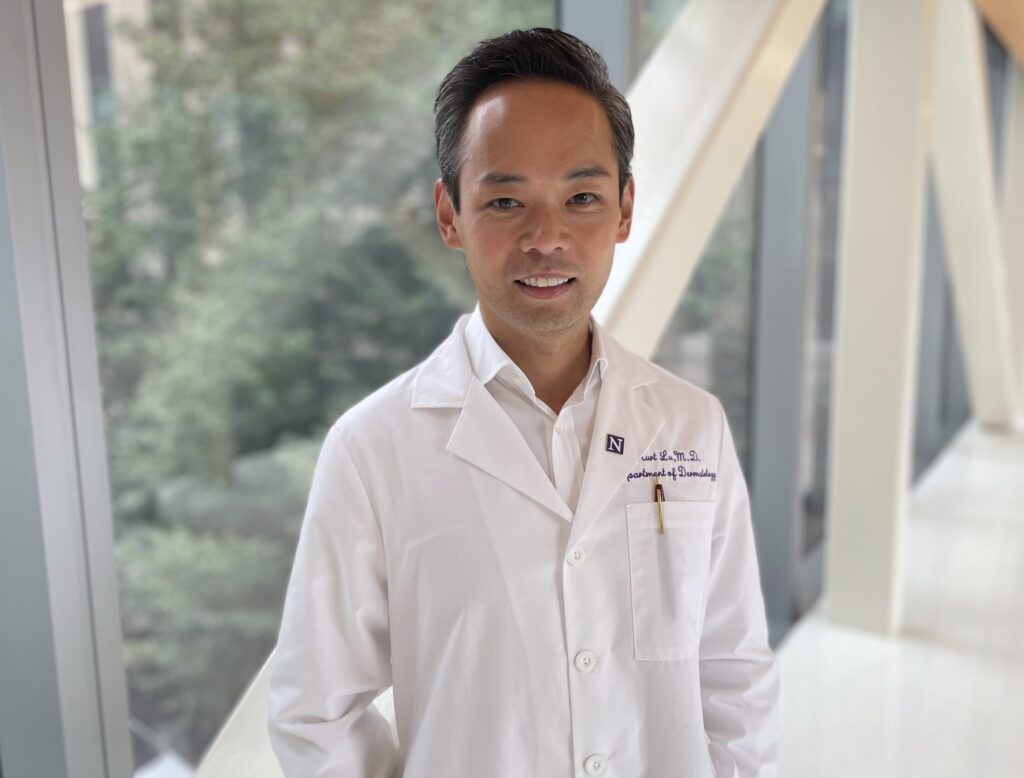
Twenty-two years ago, Kurt Lu, MD, was a postdoctoral fellow in molecular and cellular dermatology at Case Western Reserve University in Cleveland. He was studying macrophages with Kevin Cooper, MD and wanted to know more about the role these cells play in the resolution of inflammation in the skin. “Macrophages are in every organ system,…
Advance Your Research 2026 DF Award Application Season Coming Soon
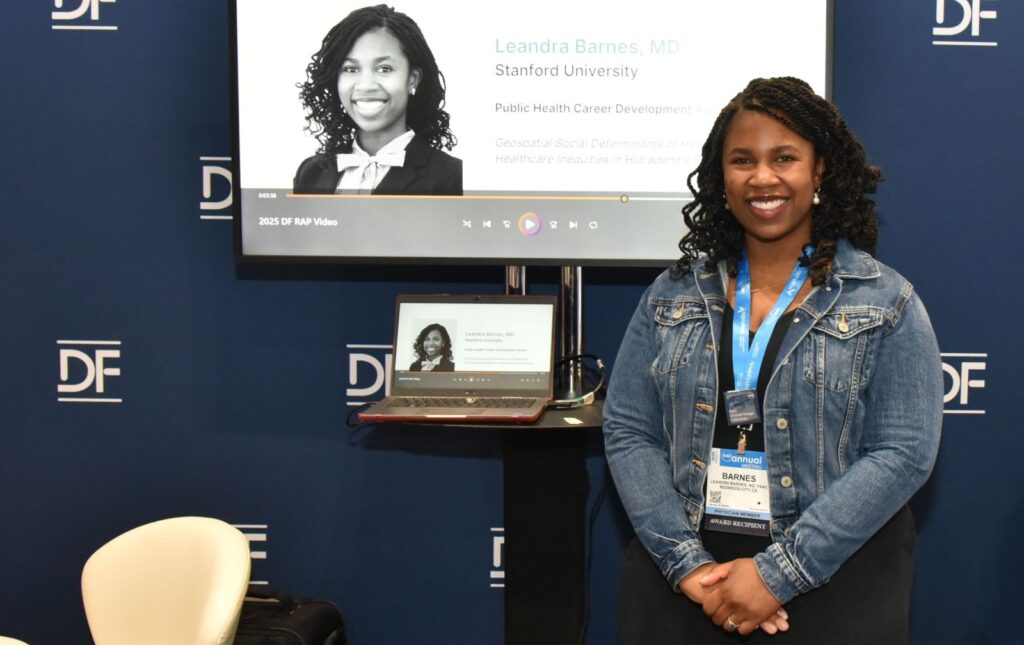
The Dermatology Foundation’s Research Award Program has been a driving force in advancing patient care for over six decades. By supporting innovative ideas and early-stage research, the program helps investigators generate new knowledge that leads to real breakthroughs in dermatology. With 16 award categories, the program offers funding opportunities across a wide range of research…
Acral and Nail Unit Melanoma: Challenges and Approaches to Diagnosis and Management
Dr. Daniel Klufas presented information about the clinical presentation, diagnosis, and management of acral melanoma, including acral lentiginous melanoma (ALM) and nail unit melanoma (NUM). Acral melanomas are rare subtypes of cutaneous melanoma (CM) found on non-hair-bearing acral surfaces. They typically present after the age of 50 and disproportionately affect patients with skin of color…
Advancements in Keloid Treatment
Dr. Donald Glass shared information about advances in keloid treatment. Keloids are raised scars that grow invasively beyond the boundaries of the original wounds. Keloids are distinct from hypertrophic scars, which remain confined to the boundaries of the original wounds and may regress spontaneously. First, Glass provided an overview of keloid epidemiology, pathophysiology, clinical presentation,…
Inherited Melanoma Syndromes
Dr. Emily Chu presented information about familial melanoma, inherited melanoma syndromes, and associated genes. Familial melanoma is defined as ≥2 first-degree relatives with melanoma or ≥3 relatives on the same side of the family with melanoma. First, Chu described genes associated with increased risk of developing melanoma, including cyclin-dependent kinase inhibitor 2A (CDKN2A), cyclin-dependent kinase…